Water has a way of becoming part of the background. We turn on the kitchen tap without thinking, start a load of laundry while preparing dinner, and step into the shower expecting everything to work as it should. It’s only when something changes that we pay attention. Maybe drinking water develops an odd taste, white mineral spots appear around the faucets, or freshly washed towels come out feeling stiff instead of soft.
These everyday frustrations can sometimes be linked to water quality. The good news is that homeowners have several options for addressing specific concerns, from drinking water filtration to treatments designed for private wells and hard water. The trick is understanding what each system does and choosing equipment that fits the home’s actual needs.
Why Water Quality Deserves a Closer Look
Water quality varies depending on the source, local conditions, and the treatment already in place. Municipal water supplies are generally treated to meet applicable drinking water standards, but homeowners may still notice differences in taste, odor, or mineral content. Private well owners face a different set of considerations because groundwater quality can vary between properties and change over time.
Hard water is one common concern. It contains elevated levels of dissolved minerals, primarily calcium and magnesium. These minerals can leave deposits on showerheads, create spots on glassware, and contribute to scale buildup in water heaters and other appliances. They may also affect how soap performs during bathing and laundry.
Other concerns include sediment, iron staining, unpleasant odors, and certain dissolved substances. Not every issue requires the same solution, though. A filter designed to capture particles won’t necessarily remove dissolved minerals, and a water softener isn’t intended to eliminate every possible contaminant.
Testing is often the most sensible first step. Once homeowners understand what’s in their water, they can compare treatment options based on evidence instead of guessing.
Enjoying Better-Tasting Drinking Water
Few things are as disappointing as filling a glass from the kitchen tap and noticing that the water tastes or smells unusual. Even when water meets applicable safety standards, its taste may not suit everyone’s preferences. A properly selected drinking water system can help address particular concerns and make water more enjoyable to use.
Many homeowners explore reverse osmosis systems & drinking water solutions when they want an additional level of treatment at the kitchen sink. Reverse osmosis uses a semipermeable membrane to reduce many dissolved substances. Depending on the model, certification, and maintenance condition, these systems may reduce certain contaminants as well as substances that affect taste.
A reverse osmosis unit is often installed beneath the sink and connected to a dedicated drinking water faucet. Some models also include additional filtration stages, such as carbon filters, to address specific taste and odor concerns.
However, not every system delivers the same results. Before buying one, check the manufacturer’s performance data and look for independent certification relevant to the substances you want to reduce. It’s also worth considering filter replacement costs, installation requirements, water pressure, and wastewater production.
For some households, a simpler drinking water filter may be sufficient. The best choice depends on the water test results, household preferences, and the specific performance claims of the equipment.
Special Considerations for Homes With Private Wells
Private well water can be perfectly suitable for household use, but its quality shouldn’t be assumed based on appearance alone. Clear water can still contain substances that require testing, and changes in nearby land use, flooding, heavy rainfall, or well maintenance may affect the supply.
A sensible well water treatment plan begins with laboratory testing appropriate to the property’s location and circumstances. Testing may identify concerns involving bacteria, nitrates, iron, manganese, hardness, or other substances. Which tests are needed depends on local guidance and the conditions surrounding the well.
Treatment should follow the results. For example, a system designed to address iron may help reduce reddish-brown staining, while an appropriate disinfection method may be necessary when microbial contamination is found. Sediment filtration can capture suspended particles, but it should not be mistaken for a complete treatment solution.
Some wells require more than one treatment stage. That doesn’t necessarily mean a complicated installation is unavoidable; it means the equipment needs to be selected carefully. A qualified water treatment professional can help interpret results and explain which technologies are suitable.
Well owners should also arrange periodic testing rather than treating the original results as permanent proof of water quality. If the water suddenly changes in taste, color, or smell, investigate promptly. When contamination is suspected, use an appropriate alternative drinking water source until the problem has been assessed and addressed.
The Difference Softer Water Can Make to Laundry
Laundry is another place where water quality can make itself known. If clothes feel stiff after washing, towels seem less absorbent, or white fabrics develop dull-looking deposits, hard water may be contributing to the problem. Detergent performance can be affected by mineral content, and soap may react with hardness minerals to form residue.
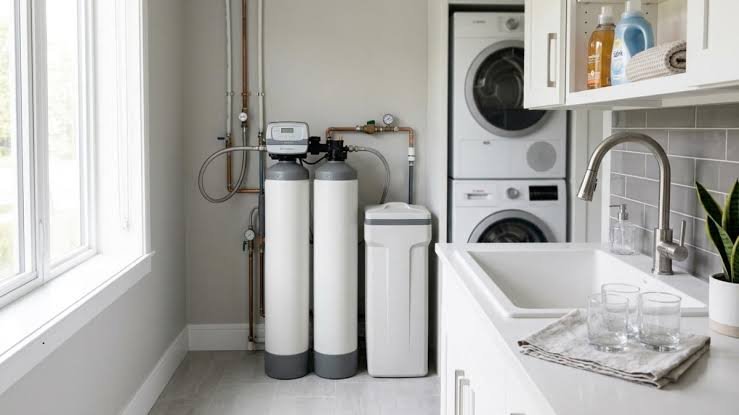
Water softeners reduce calcium and magnesium through an ion-exchange process. In many conventional systems, the resin exchanges hardness minerals for sodium or potassium ions during treatment. The system periodically regenerates to restore its capacity, following the manufacturer’s operating settings.
For households dealing with persistent hard water, laundry water softeners may help improve washing performance by reducing hardness before water reaches the washing machine. Softer water can make detergent work more effectively, which may allow some households to adjust detergent quantities according to product instructions and actual laundry needs.
The benefits depend on the original water hardness, the equipment’s capacity, and how well the system is maintained. A softener won’t repair damaged fabrics or solve every washing problem, so it’s still important to use appropriate detergent, avoid overloading the machine, and follow the appliance manufacturer’s recommendations.
Homeowners should also remember that conventional ion-exchange softeners add some sodium to treated water. People who need to restrict sodium intake for medical reasons should discuss suitable options with a healthcare professional and consider whether a separate drinking water treatment approach is appropriate.
Choosing Equipment Without Overspending
It’s easy to feel overwhelmed when different systems promise cleaner, fresher, or softer water. Start by identifying the main concern, then compare products designed specifically to address it.
A point-of-use filter treats water at one location, making it useful for certain drinking water needs. A whole-home system treats water as it enters the property and can address selected concerns across multiple fixtures. Some households benefit from combining technologies, while others need only one well-chosen system.
Look beyond the initial purchase price. Replacement filters, salt, servicing, electricity, and water consumption can all affect long-term costs. Ask about warranties, service availability, installation requirements, and the expected maintenance schedule.
Be cautious of broad claims that a single product removes every contaminant. No treatment technology is universally effective against all water quality problems. Reliable recommendations should explain what the system can reduce, what it cannot address, and how its performance is verified.
Make Water Quality Part of Everyday Home Care
Better water doesn’t always require a major renovation or an expensive collection of equipment. Sometimes, the right filter or a properly sized softener can address the issue that has been bothering a household for years. In other cases, testing may reveal the need for a more specialized approach.
The most useful decision is an informed one. Understand the water source, identify the concern, compare suitable systems, and make maintenance part of the plan from the beginning.
Water plays a quiet but important role in how a home feels and functions. From the first glass in the morning to the final load of laundry at night, choosing appropriate treatment can make everyday routines more comfortable. Start with the facts, ask the right questions, and invest in a solution that genuinely fits your household.