Water is easy to overlook when everything is running as it should. A tap works, the restroom is clean, and the coffee machine produces a decent cup before the morning rush begins. Most people don’t give it another thought. But when water quality changes, the effects can show up in surprising places, from stained fixtures and unpleasant odors to equipment problems and growing maintenance bills.
For businesses, reliable water is about more than convenience. It supports daily operations, helps protect plumbing and machinery, and contributes to a comfortable environment for employees, visitors, and customers. In some settings, it also plays a direct role in hygiene and safety.
The challenge is that every building uses water differently. A medical facility has different requirements from a corporate office, and a large commercial property may face issues that a small workplace never encounters. Understanding those differences is the starting point for making sensible water management decisions.
Understanding Water Quality Inside Commercial Buildings
Water can look perfectly clear while containing dissolved minerals, sediment, or other substances that affect how it performs. Hardness, for instance, is caused mainly by calcium and magnesium. These minerals can leave deposits on faucets, showerheads, heating elements, and other surfaces where water is heated or allowed to evaporate.
Other concerns may include iron staining, unpleasant sulfur odors, sediment, or contaminants that cannot be identified through sight or smell. The right response depends on the water source and the substances present. A municipal supply and a private well, for example, may require different testing approaches.
Before investing in treatment equipment, businesses should consider a professional water analysis. Testing can help identify the problem and determine whether filtration, softening, disinfection, or another method is appropriate. It also prevents the common mistake of purchasing a system based on a symptom without understanding its cause.
A practical assessment should consider not only incoming water quality but also how water travels through the building. Plumbing materials, storage tanks, heaters, and internal distribution systems can influence water conditions after it enters the property.
Supporting Hygiene and Safety in Healthcare Facilities
Water quality deserves particular attention in healthcare & medical environments, where water may be used for drinking, cleaning, handwashing, food preparation, sterilization-related processes, and specialized equipment. The requirements can vary significantly from one application to another.
Ordinary drinking-water standards may not be sufficient for every clinical or technical use. Certain medical devices and laboratory processes require water with specific characteristics, while other applications depend on carefully controlled temperature, treatment, or microbial conditions. Facilities must follow the relevant regulations, equipment instructions, and infection prevention procedures for each use.
It is also important to understand that filtration does not automatically make water safe for every purpose. A filter designed to reduce sediment may not remove dissolved chemicals or microorganisms. Similarly, a softener addresses hardness but is not a substitute for disinfection.
Healthcare facilities should establish clear responsibilities for water management, including routine monitoring, maintenance, and investigation of unusual results. Where a potential contamination concern arises, qualified professionals should help assess the risk and determine appropriate corrective action.
A reliable plan protects more than plumbing. It helps staff maintain consistent procedures and supports the safe operation of a complex environment where small oversights can have serious consequences.
Improving Everyday Comfort in Offices
In offices, water quality often becomes noticeable through small daily frustrations. Employees may complain about the taste of drinking water, coffee machines may develop scale, and restroom fixtures may collect stubborn mineral deposits. None of these issues necessarily signals a major safety problem, but together they can make a workplace harder to maintain.
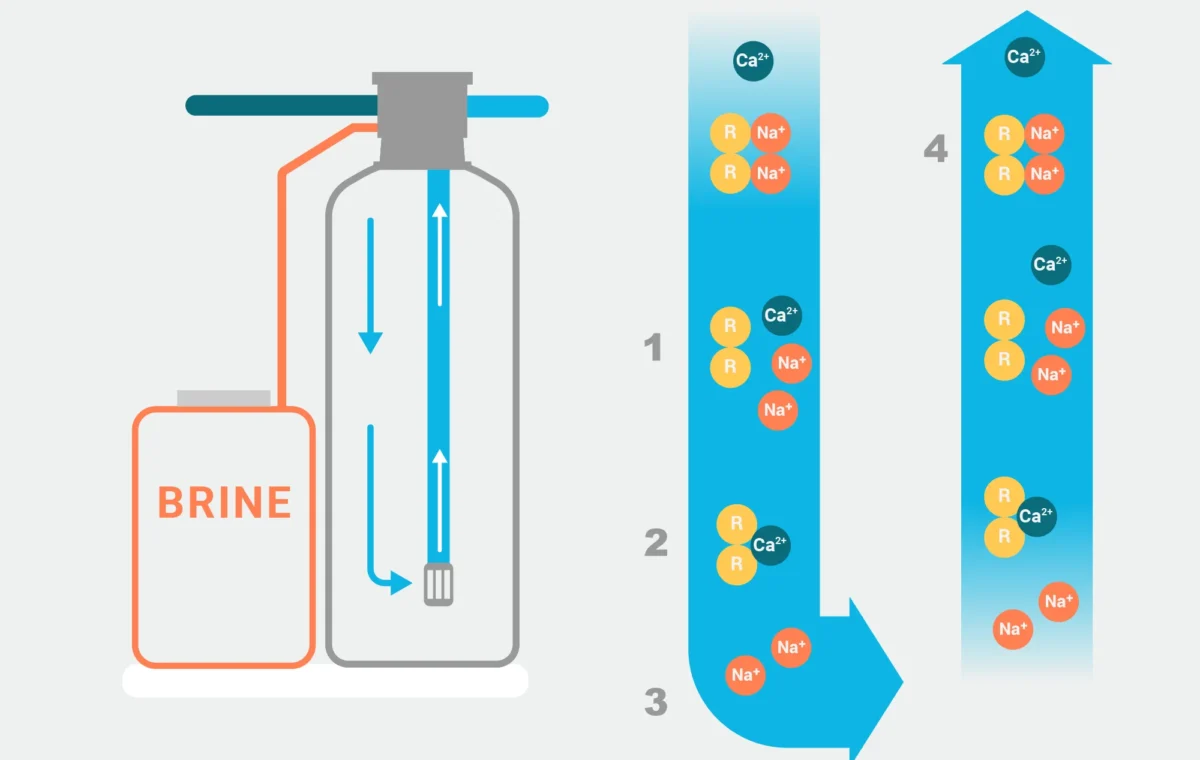
Hard water is a common cause of scale buildup. Over time, deposits may reduce the efficiency of certain heating components and increase the effort needed to clean sinks, taps, and glass surfaces. Depending on the water analysis, a properly sized softener may help control these problems.
Drinking water may call for a different approach. Activated carbon filtration can improve taste and odor by reducing selected substances, while reverse osmosis can reduce many dissolved materials. The choice should depend on test results, the volume of water required, and the specific improvement the business wants to achieve.
Convenience matters, too. A small office may need a compact drinking-water filtration unit, whereas a large workplace with several floors might require a higher-capacity system and a more structured servicing schedule.
Clean, reliable water can make the workplace feel better cared for. Employees might not notice every technical detail, but they tend to notice when basic facilities work well—and when they don’t.
Protecting Plumbing, Heating, and Building Equipment
Water quality can influence the performance and lifespan of equipment throughout a commercial property. Scale may build up in water heaters and other components, while corrosion can become a concern under certain water chemistry conditions. Sediment may also interfere with valves, filters, and appliances.
These issues rarely have a single universal solution. Softening can reduce hardness-related scale, but it does not resolve every cause of corrosion. Filtration can capture particles, but the appropriate filter depends on their size and nature. In some applications, monitoring and adjusting water chemistry may be necessary.
Businesses should also consider the operating demands of their buildings. A property with extensive hot-water use may experience different challenges from a site that mainly needs water for cleaning and drinking. Equipment manufacturers can provide useful guidance about water specifications, particularly where warranties or performance requirements are involved.
Preventive maintenance is usually less disruptive than emergency repairs. Routine inspections, water testing, and timely servicing can help identify developing issues before they lead to significant downtime.
When Professional Guidance Makes Sense
Commercial water treatment can become complicated when a building has several uses for water or when test results reveal multiple concerns. In these situations, water treatment experts can help translate technical findings into a workable plan.
A good assessment should begin with questions, not a sales pitch. What is the source of the water? Which problems have been observed? How much water does the building use during busy periods? Are there special requirements for drinking, medical applications, cooling, or cleaning?
From there, a provider can recommend appropriate equipment and explain what it is expected to achieve. Businesses should ask about system capacity, installation requirements, replacement parts, operating costs, and the frequency of maintenance. It is equally important to understand what a proposed system will not remove.
The cheapest option is not always the most economical over time. A system that is undersized for demand may struggle during peak hours, while an unnecessarily complex setup can introduce avoidable expense. Matching the equipment to the actual need is what matters.
Building a Maintenance Plan That Lasts
Even the right treatment system requires ongoing care. Filters need replacement according to their design and usage, softeners need periodic checks, and monitoring equipment must be maintained to provide useful readings. Changes in the water supply may also mean that an existing setup needs to be reassessed.
A maintenance plan should identify who is responsible for inspections, when testing is due, and how service records will be kept. Staff should know how to report changes in taste, odor, appearance, or water pressure rather than assuming that someone else has already noticed.
For larger facilities, scheduled reviews can help connect water quality results with maintenance history and equipment performance. This makes it easier to identify recurring problems and budget for repairs or upgrades.
Making Water Management Part of Good Business Practice
Reliable water rarely receives much attention when everything works. Still, it influences hygiene, comfort, equipment performance, and the smooth running of a commercial building.
The best approach is straightforward: understand the water supply, test for relevant concerns, choose treatment that fits the application, and maintain the system properly. Medical facilities may need highly specific controls, while offices may benefit most from practical improvements to drinking water and everyday plumbing.
Good water management is not about installing the most expensive equipment or treating every possible issue. It is about making informed decisions and checking that those decisions continue to deliver results. Over time, that steady attention can help businesses avoid unnecessary disruption and create safer, more comfortable spaces for the people who depend on them.