There’s a certain comfort in knowing the water coming into your home is being treated properly. You don’t have to think twice before filling a glass, preparing dinner, or taking a shower. But that confidence shouldn’t mean forgetting about the equipment that makes it possible. Like a heating system or a washing machine, water treatment equipment needs occasional attention to keep working as expected.
The good news is that maintaining a water system doesn’t have to become another complicated household chore. A little planning, an understanding of the main components, and help from a qualified technician when needed can prevent many common problems. More importantly, proper care helps you get the performance you paid for instead of discovering an issue when the water pressure drops or an appliance starts showing signs of mineral buildup.
Why Routine Maintenance Makes a Difference
Water treatment systems can include sediment filters, carbon cartridges, softeners, reverse osmosis membranes, pumps, valves, and electronic controls. Each component has a particular job, and each can be affected by water conditions and everyday use. Dust and debris may collect in a filter, mineral deposits can build up in certain components, and mechanical parts can wear over time.
Scheduling regular system check-ups helps identify these issues before they become larger problems. Depending on the equipment, an inspection may include checking for leaks, reviewing pressure levels, examining filter housings, and confirming that the system is operating according to its specifications.
There’s also value in having a clear maintenance history. If a technician notices that a filter keeps clogging unusually quickly, previous service records may help identify a recurring issue with the incoming water. Without those records, homeowners can end up replacing parts repeatedly without understanding why the same problem returns.
Maintenance schedules vary, so avoid assuming every system needs an annual visit or that all components should be replaced together. Follow the manufacturer’s guidance and adjust the schedule when water conditions or usage make more frequent attention necessary.
Understanding Resin and Filter Media
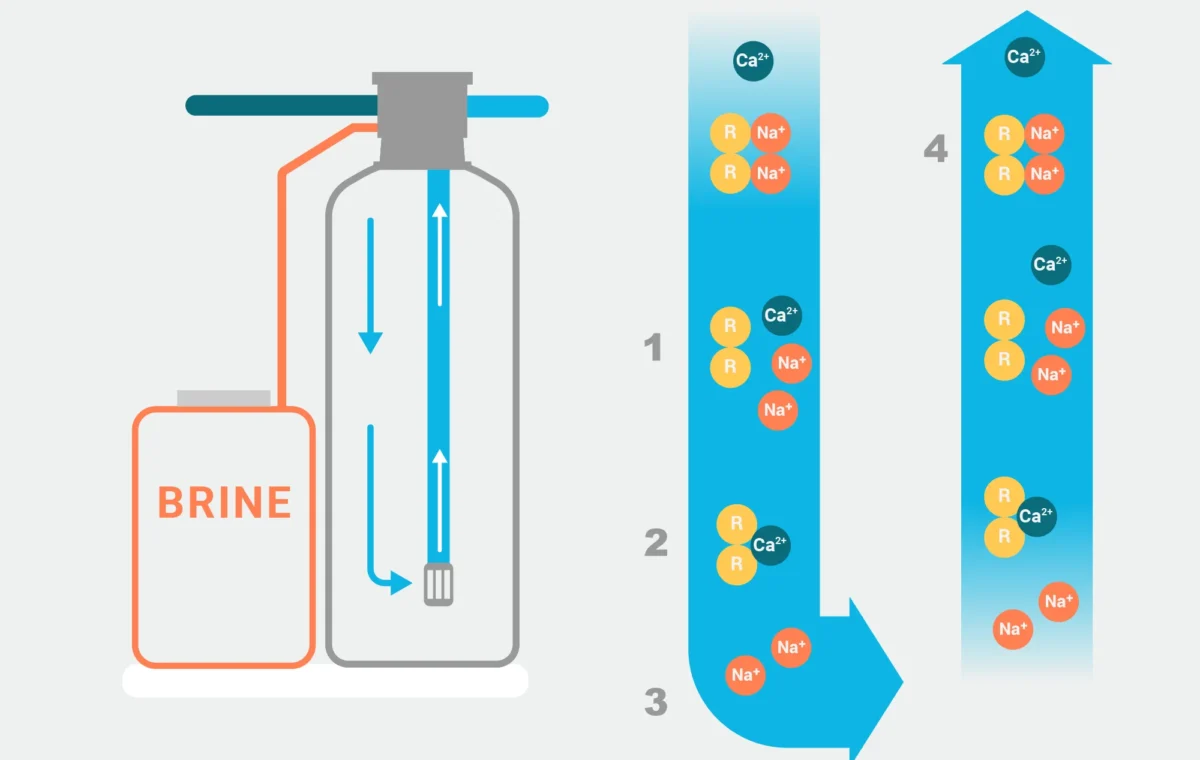
Some water treatment systems rely on specialized materials to improve water quality. Water softeners, for instance, commonly use ion-exchange resin to reduce hardness minerals such as calcium and magnesium. Other treatment equipment may use activated carbon, catalytic media, or materials designed to remove particular contaminants.
These materials don’t all behave the same way. Softening resin works through an exchange process and can often be regenerated with an appropriate salt solution. Activated carbon adsorbs certain substances onto its surface, while other filtration media may capture particles or support specific chemical reactions. The correct maintenance method depends on the technology involved.
Over time, media can become exhausted, fouled, damaged, or less effective. That’s where resin and media replacement may become necessary. However, replacement shouldn’t be based on guesswork alone. Some media can last for years under suitable conditions, while others need more frequent attention because of high contaminant loads or heavy household use.
Before replacing anything, review the manufacturer’s recommendations and, where appropriate, ask a qualified water treatment professional to assess performance. Water testing may also help determine whether the existing equipment is still addressing the original concern.
It’s worth checking that replacement media is compatible with the specific system. Similar-looking products aren’t always interchangeable, and using an unsuitable material can affect performance or create additional maintenance problems.
Why System Settings Need Attention
Modern water treatment equipment may use automatic valves, timers, flow sensors, or electronic controllers to manage its operation. A water softener, for example, may regenerate according to a programmed schedule or a measured volume of water. Other systems monitor operating conditions and trigger certain functions when required.
If these settings are incorrect, equipment may use more water or treatment materials than necessary, or it may fail to complete a required cycle. A clock reset after a power interruption, an incorrect household size setting, or an improperly configured regeneration schedule can sometimes explain unexpected behavior.
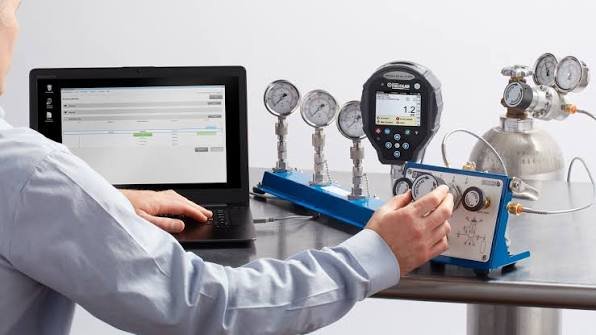
Appropriate control calibration helps ensure that sensors and operating settings match the equipment’s intended performance. Depending on the system, this may involve checking flow readings, verifying programmed settings, or following a manufacturer’s procedure for calibrating a sensor. Not every unit requires manual calibration, so don’t adjust controls simply because a technician mentions the term.
If you notice frequent regeneration, unusual cycling, inconsistent output, or warning lights, consult the user manual before changing settings. Some adjustments are straightforward, but others can affect the system’s operation and should be handled by a trained technician.
A useful rule of thumb: understand what a setting does before changing it. If you’re unsure, take a photo of the current display and contact the manufacturer or service provider. That small step can make it easier to restore the original settings if necessary.
Recognizing Early Signs of Trouble
Water treatment equipment rarely announces a problem in a convenient way. Sometimes the first clue is a gradual drop in water flow. Other times, you may notice white scale on taps, an unfamiliar taste, or water collecting beneath a filter housing.
These signs deserve attention, but they don’t all point to the same cause. Low pressure may result from a clogged cartridge, a partially closed valve, or a plumbing issue elsewhere in the home. Mineral deposits may indicate hard water, but their appearance alone can’t establish the exact hardness level. A change in taste might come from the source water, plumbing, or a filter that’s overdue for replacement.
Start by observing when the problem occurs and whether it affects one tap or the entire house. Check for visible leaks and consult the equipment manual. If the issue persists, a qualified professional can inspect the system and recommend an appropriate solution.
Never assume that clear water is necessarily free from contaminants. Many substances cannot be detected by sight, smell, or taste. If the system is intended to reduce a particular health-related contaminant, appropriate water testing and the use of equipment certified for that purpose are important.
How to Make Maintenance More Affordable
Routine care doesn’t have to mean paying for every small task. Many homeowners can handle simple activities, such as checking the salt level in a conventional softener, recording filter replacement dates, and looking for visible leaks. Always follow the manufacturer’s safety instructions, and avoid opening pressurized housings or working on electrical components without the proper knowledge.
More involved work, including diagnosing valve problems, assessing resin condition, repairing internal leaks, or checking specialized control systems, may be better left to an experienced technician.
When comparing maintenance plans, ask exactly what’s included. Does the visit cover inspection and testing, or are replacement parts billed separately? Will the technician explain why a component needs attention? Is the recommended work supported by test results, operating data, or the manufacturer’s service schedule?
Clear answers help you distinguish useful maintenance from unnecessary upselling. A trustworthy provider should explain the problem in plain language and offer options when more than one solution is appropriate.
Build a Routine You Can Actually Follow
The easiest maintenance plan is one you’ll remember to use. Keep the equipment manual in a safe place, note the installation date, and record the dates of filter changes, inspections, and repairs. If different components have different service intervals, list them separately.
Keep the area around the system accessible so you can spot leaks and read its controls without moving half the cupboard. If you use water from a private well, follow local recommendations for testing and arrange additional checks when conditions change or a contamination risk arises.
It also helps to understand the limits of your equipment. A softener reduces hardness; it isn’t a universal purifier. A carbon filter addresses selected substances, not everything that might be present. Knowing what your system can and cannot do makes maintenance decisions more meaningful.
A More Reliable System Begins With Good Habits
Water treatment equipment is easy to forget because it usually works out of sight. Still, routine inspections, appropriate media care, and correctly configured controls can make a real difference to its reliability and useful life.
You don’t need to replace parts before they’re due or schedule unnecessary work. Start with the manufacturer’s recommendations, pay attention to changes in performance, and use testing or professional advice when the cause isn’t clear. With a little consistency, you’ll be better prepared to catch small issues early, avoid preventable costs, and keep your household water system working as intended.