Water quality is easy to take for granted. Most of us turn on a faucet, fill a glass, wash the dishes, and get on with the day without giving much thought to what is flowing through the pipes. That changes when hard water leaves chalky marks on fixtures, a filter stops working properly, or an unpleasant taste makes drinking water less appealing. Suddenly, water quality becomes something worth understanding.
Across Southern California, local conditions can vary from one community to another. Mineral content, water sources, household demand, and the condition of plumbing all influence which treatment options make sense. For homeowners and businesses, the goal isn’t to buy the most complicated equipment available. It’s to find a dependable solution that addresses the actual problem, fits the property, and remains manageable over the long term.
Understanding the Water in Your Home
Before choosing a treatment system, take a closer look at the water itself. Some common concerns are relatively straightforward. Hard water, for example, contains elevated levels of calcium and magnesium. These minerals can leave spots on glassware, create scale inside water heaters, and make soap less effective.
Other concerns may involve sediment, taste, odor, or specific contaminants. The appropriate response depends on what’s present and how the water is used. A basic sediment filter won’t solve every dissolved contaminant issue, and a water softener isn’t designed to replace a drinking water filtration system.
A good starting point is your local water supplier’s annual quality report, if your property receives municipal water. These reports provide useful information about tested substances and regulatory compliance. However, the report may not reflect changes that occur inside a building’s plumbing. If you use a private well or have a particular concern, additional testing may be appropriate.
It’s worth remembering that clear water isn’t automatically free of contaminants, just as hard water isn’t automatically unsafe to drink. Testing helps separate genuine water quality concerns from problems that are mainly aesthetic or related to equipment performance.
Why Local Conditions Deserve Attention
Water treatment decisions become easier when they account for the area’s conditions rather than relying on general assumptions. Two properties may receive water from different sources or have very different plumbing systems, even if they’re relatively close together.
In the inland empire, homeowners may be interested in reducing mineral scale, improving drinking water taste, or protecting appliances from the effects of hard water. The best approach depends on the results of a water assessment and the household’s priorities. A family dealing mainly with spots on shower doors may need a different solution from someone concerned about the taste of drinking water.
Local experience can be useful, particularly when a provider understands common installation challenges and can recommend equipment suited to the property’s water supply. Still, familiarity with an area shouldn’t replace proper testing. A reputable professional will explain why a particular system is recommended and identify the limitations of that equipment.
Customers should feel comfortable asking questions. What does the system actually remove? How often will filters need replacing? Does the equipment require electricity or a drain connection? What happens if water pressure changes? Straightforward answers are a good sign that a provider is focused on practical results rather than simply making a sale.
Choosing Equipment That Matches Your Needs
Water treatment systems come in several forms, and each has a specific purpose. Activated carbon filters can improve certain taste and odor issues and reduce selected contaminants when certified for those claims. Sediment filters capture suspended particles, while reverse osmosis systems can reduce a range of dissolved substances.
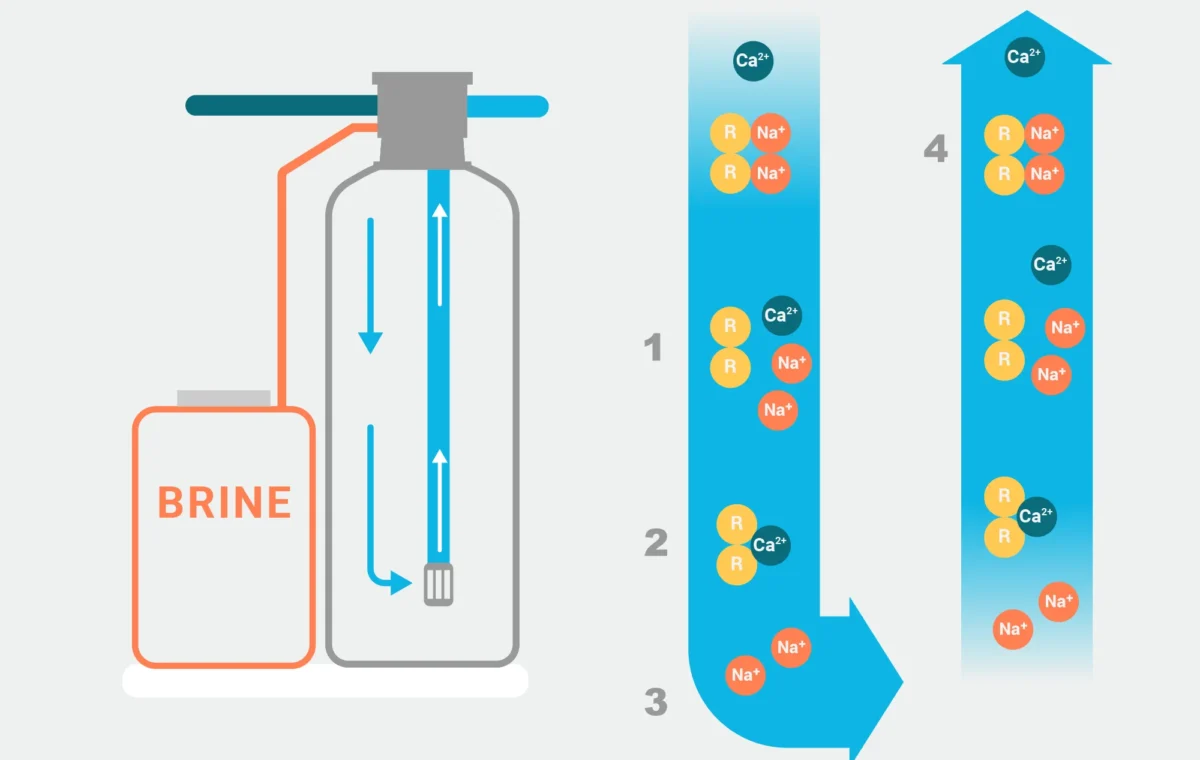
Water softeners work differently. They typically use ion exchange to reduce calcium and magnesium, helping control scale buildup in plumbing and water-using appliances. They aren’t designed to remove every contaminant, so some properties benefit from combining softening with a separate drinking water filter.
The important thing is to avoid paying for features you don’t need. A large system with multiple treatment stages might sound impressive, but it isn’t automatically the best choice for a small household. Equally, a low-cost filter may not have the capacity or performance required for a busy commercial property.
Consider daily water use, available installation space, maintenance requirements, and the cost of replacement parts. Ask for an estimate that explains equipment and labor separately. Looking beyond the initial purchase price can reveal which option offers better value over several years.
Water Treatment in Desert Communities
Desert communities can present their own practical challenges. Water sources, mineral concentrations, and seasonal demand may differ considerably, so testing remains important when selecting equipment. Temperature and environmental conditions can also affect how people use water and how they manage outdoor systems.
For properties in the coachella valley, a careful assessment can help identify whether the main concern is hardness, taste, sediment, or another water quality issue. There’s no single treatment approach that suits every home in the region. Even neighboring properties can have different requirements depending on their source water and plumbing.
Homeowners should also consider the amount of water a system uses during operation. Some reverse osmosis systems discharge water during filtration, while certain softeners use water during regeneration. Product designs vary, so it’s sensible to ask about efficiency and operating requirements before making a decision.
A properly sized and maintained system is generally more useful than an oversized unit that receives little attention after installation. Choose equipment with clear instructions, accessible replacement components, and a service plan that fits your household’s routine.
Don’t Overlook Maintenance and Professional Support
Installation is only one part of owning a water treatment system. Filters eventually reach their service limits, seals can wear, and equipment may need cleaning or adjustment. Ignoring maintenance can reduce performance and, in some circumstances, create additional problems.
Keep a simple record of installation dates, filter changes, and service visits. Follow the manufacturer’s guidance rather than assuming every filter needs replacement at the same interval. Usage, incoming water quality, and the specific product all affect maintenance schedules.
Watch for noticeable changes, too. A sudden reduction in water flow, unusual sounds, visible leaks, or a return of unpleasant taste deserves attention. These symptoms don’t necessarily mean the whole system has failed, but they shouldn’t be ignored.
In the high desert area, as in other parts of Southern California, customers may want to confirm that a provider can reach their particular community and offer follow-up support. Before scheduling work, ask about service availability, inspection fees, warranty coverage, and access to replacement parts. A provider’s ability to support equipment after installation can matter just as much as the original sale.
Making a Confident, Long-Term Decision
Choosing water treatment equipment doesn’t have to become an overwhelming project. Start with a clear question: what are you trying to improve? Review available water quality information, arrange testing when needed, and compare systems based on verified performance rather than marketing language.
Third-party certifications can help consumers evaluate specific claims. Look for documentation that identifies which contaminants or water characteristics a product has been tested to address. One certification doesn’t mean a system removes everything, so read the details carefully.
Most importantly, choose a solution you can realistically maintain. A system that fits your water conditions, budget, and daily routine is more likely to provide lasting value than one selected in a hurry.
Better water management comes down to informed choices. With a little research, honest advice, and consistent upkeep, homeowners and businesses can reduce avoidable equipment problems, improve the water qualities that matter to them, and feel more confident about the system working behind the scenes every day.