There’s a myth that startup funding only happens through some well-connected uncle or a chance meeting with an angel investor at a networking event. It’s simply not true. Most founders I’ve spoken with who actually raised money did it through unglamorous, methodical routes. If you’re exploring startup funding options without an insider network, there’s more available than people assume in 2026.
Let’s go through what actually works, not just what sounds impressive on LinkedIn.
Bootstrapping Is Still the Most Common Path
Direct answer: The most accessible of all startup funding options is bootstrapping — funding the business through your own savings, early customer revenue, or a day job — because it requires no pitch, no investor approval, and no equity given away.
It’s slower, no doubt. But it also means you keep full control and don’t have to answer to anyone about your roadmap.
Government Schemes Built for This Exact Problem
- Startup India Seed Fund Scheme — early-stage grants and loans for validated startups
- Mudra Loans (Shishu, Kishor, Tarun categories) — collateral-free loans up to ₹10 lakh
- State-level startup policies — many states now offer subsidies, incubation support, and interest subvention
These exist specifically for founders without wealthy connections, and they’re underused simply because people don’t know to look. [link to related guide about small business loans here]
Startup Competitions and Grants
Colleges, incubators, and even some corporates run pitch competitions with real prize money — often ₹1-10 lakh, sometimes more. Winning one doesn’t just bring cash; it brings a credibility stamp that helps with the next round too.
Crowdfunding for the Right Kind of Product
Platforms built for physical or consumer products can work well here, especially if the product has a strong visual or emotional hook. Picture a founder in Jaipur launching a sustainable clothing line — a crowdfunding campaign with a compelling story and clear rewards can raise tens of lakhs from ordinary people who simply liked the product, no pitch deck required.
Revenue-Based Financing
This is newer to India but growing. Instead of giving up equity, you repay a percentage of monthly revenue until a fixed amount is paid back. It suits startups with predictable recurring revenue — SaaS products, subscription boxes — better than pure equity funding does.
Angel Networks You Can Actually Apply To
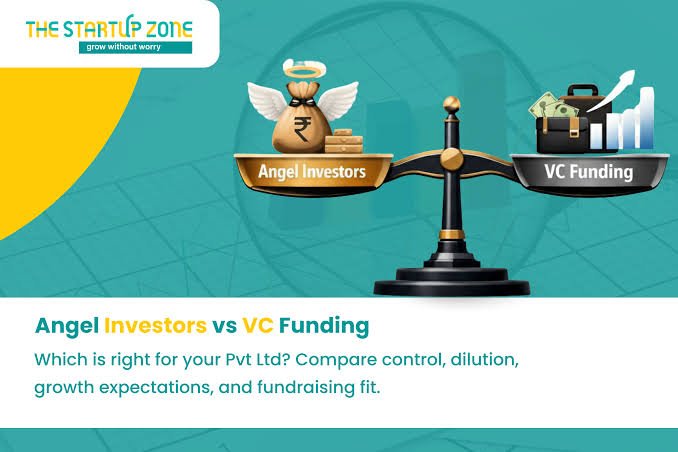
You don’t need a personal connection to reach many angel networks — several accept cold applications through their websites. It’s competitive, sure, but it’s a real, unconnected path in.
Strategic Partnerships Instead of Cash
Sometimes funding isn’t the only answer. A supplier willing to extend 60-day payment terms, or a distributor willing to take inventory on consignment, effectively frees up cash you’d otherwise need to raise. [link to related guide about startup mistakes here]
Pre-Sales and Deposits From Early Customers
This is one of the most overlooked startup funding options — using paying customers as your funding source. If your product solves a real problem, some customers will pay in advance, especially with a modest discount as incentive.
Family and Friends, Done Properly
This isn’t glamorous, but it’s real for many founders. The key is doing it with a proper agreement — clear terms on whether it’s a loan or equity — so relationships don’t get damaged if things go sideways.
FAQ
Q: What’s the fastest funding option for an early-stage startup in India? Government schemes like Mudra loans and Startup India seed funding tend to have quicker approval than angel or VC rounds.
Q: Do I need a registered company to apply for these schemes? Most require at least basic registration — a sole proprietorship, LLP, or private limited company, depending on the scheme.
Q: Is crowdfunding realistic for a service-based startup? It’s harder — crowdfunding works best for tangible products people can picture owning, less so for pure services.
Q: Should I give up equity for a small loan? Generally no. Reserve equity for funding that also brings strategic value, not just cash.
Q: How much should I try to raise in the first round? Enough for 12-18 months of runway to hit your next major milestone, not a random round number.
Q: Are pitch competitions worth the time? Yes, especially early on — the prize money and credibility often outweigh the prep time required.
Conclusion
Not having a wealthy network isn’t the dead end it feels like. Between government schemes, competitions, revenue-based financing, and simply getting early customers to pay upfront, there are real startup funding options available to founders who do their homework. Pick two or three from this list that fit your specific startup, and start the applications this week — funding rarely comes to founders who wait for the perfect connection to appear.